Food Fundamentals: Pantry Staples
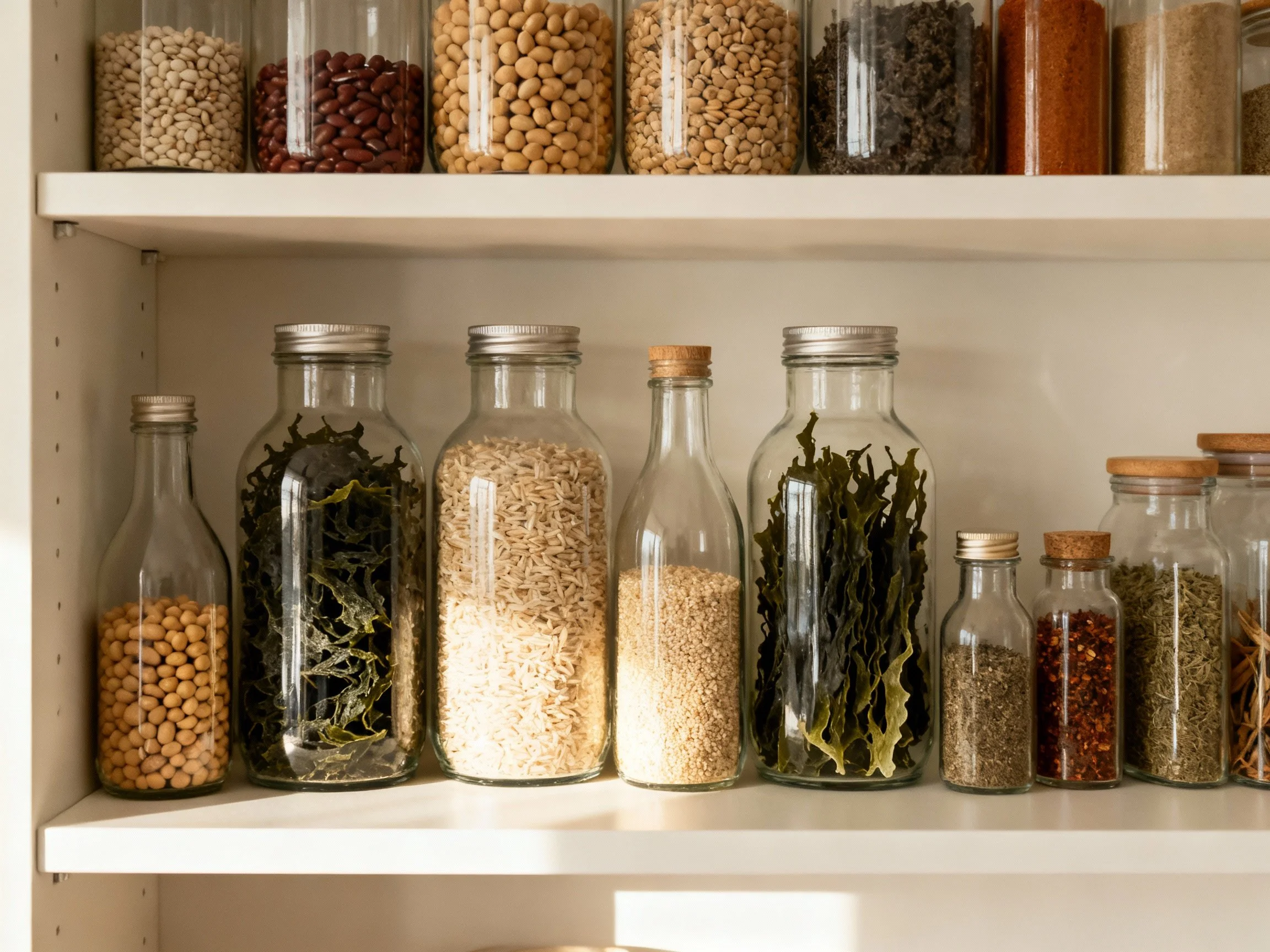
With a well-stocked pantry, you can eat simply and therapeutically every day without any complicated recipes.
But first, let’s talk about the strategy behind this lifestyle.
In my home, I don’t adhere to any certain diet. Rather, I believe that almost every edible substance can be medicinal in balanced proportions—even sugar and gluten in the right context. That said, I have pretty high standards about how my food is grown, which supply chains I prioritize, and how my food is stored (only in glass). You’re less likely to see me buying a plastic-wrapped bag of green beans than organic cane sugar from the bulk section.
Here are a few of the guidelines I aim for when purchasing groceries to bring home:
Purchase as many seasonal vegetables and fruits as possible from the local farmer’s market
Choose pesticide-free or certified organic for plant foods such as grains, vegetables, beans, and fruits (ask local farmers whether they spray)
Source grass-fed, wild-caught, pasture-raised and/or local animal products whenever possible
Buy salts, spices, and dry goods from the bulk section when feasible to ensure freshness and cut packaging and microplastic exposure
Keep pre-packaged items to a minimum
These parameters help me ensure I know where my food came from and that it is clean and health-promoting.
Now, I know some of you are already digging in your heels citing expensive prices and lack of time… but let me ask you this—are the immediate cost/time savings worth the long-term cost/time losses? While the bag of ultra-processed goldfish is cheap and quick today, over decades it increases the risk of metabolic disease, neurodegeneration, cancer, and gut dysbiosis due to poor nutrition, pesticide residues, food additives, and microplastic exposure. The subsequent adverse health effects can require high-cost medications and treatments as they shave years off your healthspan and lifespan.
Even in the short-term, poor dietary choices can impact day-to-day life as they wreck your gut microbiome, sapping energy, mental clarity, and mood.
I’ll also say—my grocery budget averages about $70-80 a week. That’s factoring in the spread-out cost of keeping this pantry stocked.
Keeping these guidelines and motivations in mind, let’s take a look inside my pantry.
What’s in my pantry, right now
These are essentials that I keep on-hand so that I’m always ready to make a quick, healthy meal:
Grains
Millet
Quinoa
White Basmati or Jasmine Rice
Rolled Oats
Buckwheat
Flours (1-5 from Janie’s Mill—the only wheat I can eat)
All-Purpose
Sifted Artisan
Italian Style
Red Fife
Light Rye
Blanched Almond
Heirloom Masa Harina
Legumes
Pinto Beans
Lentils
Red Beans
Mung Beans
Garbanzo Beans
Fats
High-quality Olive Oil
Homemade Ghee
Tahini Paste
Pecans
Chia Seeds
Sesame Seeds
Sugar, Salt, and Spices (whole, except where indicated)
Coriander
Cumin
Fennel
Cardamom (ground and whole)
Peppercorns (I switch up the color)
Fenugreek
Mustard
Oregano
Caraway
Cinnamon (ground and whole)
Turmeric (ground)
Ginger (ground)
Smoked Paprika (ground)
Hing (comes as a blend)
Pink Himalayan (coarse ground)
Cane Sugar
Misc.
Raw Honey
Maple Syrup
Dates
Kombu
We will talk about spice blends in a later post… ;)
Why These Staples?
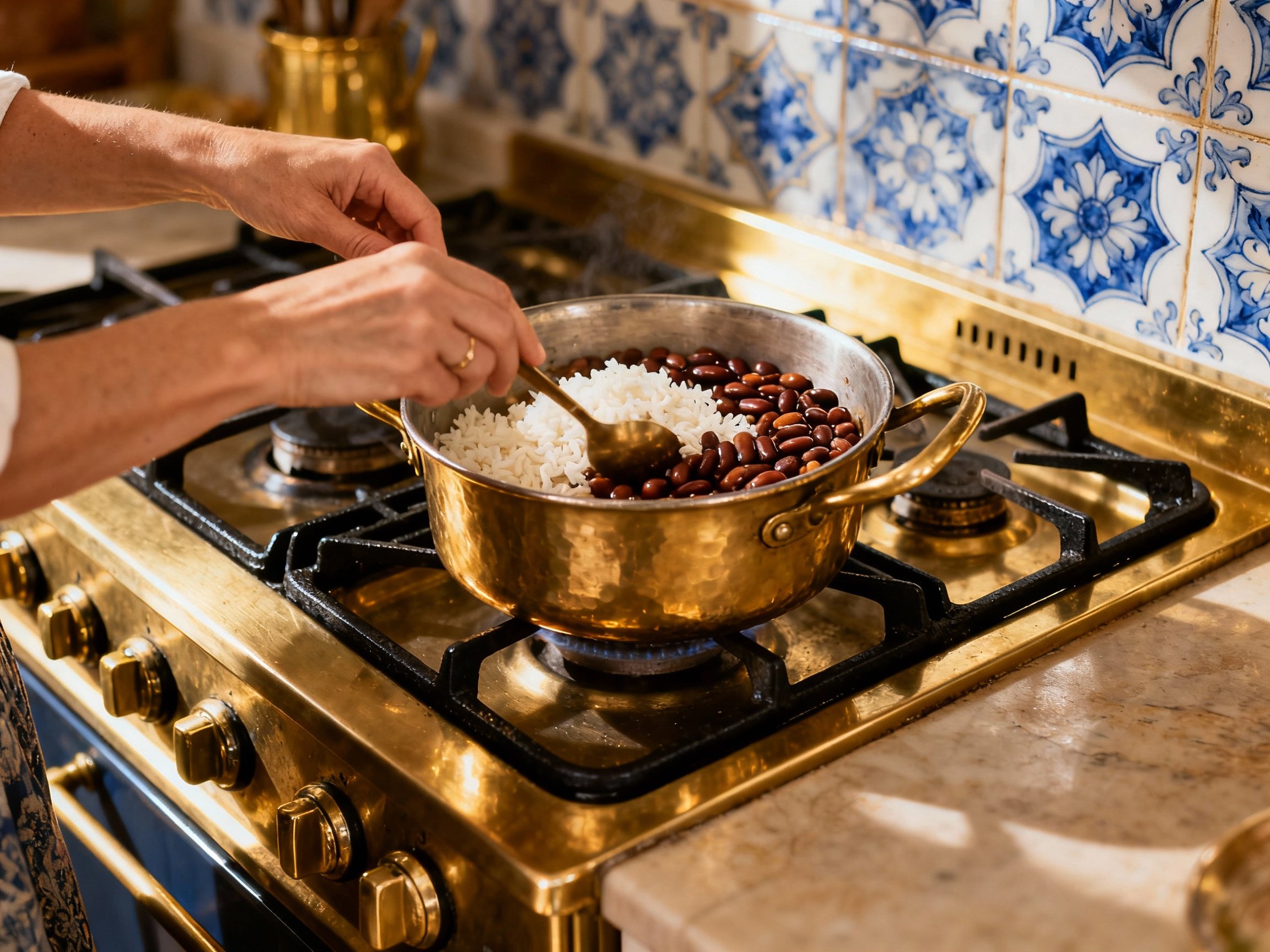
I eat super simply at my home. Having all of these on hand allows me to keep to my easy, core recipes that get me through the week (oatmeal, dahl, beans rice, scrambled eggs, kitchari, and plenty of vegetables [roasted, steamed, or sautéed]) without getting bored. These allow me to add variety to these basic recipes by spicing creatively, adding a drizzle of maple syrup or honey on a special occasion, snacking on a date or some nuts, or swapping out different kinds of beans/grains on a day to day basis.
Endless Recipes
Even though these staples are geared toward making my core recipes easier, I rarely find myself lacking in ingredients I need for cooking more elaborate dishes. When I want to make something out of the daily line-up, like homemade vegetable pizza, shakshuka, naan, or baingan bharta, I usually don’t need to go to the grocery store. If I do, the list is short and the trip is quick. These pantry essentials will keep you prepared to tackle almost any recipe you find.
If you want help translating this pantry into a realistic meal plan for your life, this is exactly what we cover in our Chinese Medicine and Acupuncture consults. Book your visit here.