Please Stop Wearing Plastic Clothes—Part 3: How to protect yourself and your family
I’m a Doctor of Acupuncture and Chinese Medicine and founder of TENET Chinese Medicine + Acupuncture in Rogers, Arkansas. I have a background in Environmental Science and use this to help patients reduce toxic load, regulate their nervous systems, and heal chronic conditions using acupuncture, Chinese medicine and sustainable lifestyle interventions.
In this three‑part series on microplastics, I’m sharing the same strategies I give my patients at my clinic in downtown Rogers to reduce exposure in realistic, stepwise ways.
In part one of this series, we looked at where microplastics and nanoplastics are most often found in our environment, and in part two we explored how exposure to these particles affects our health. In part three, we’ll focus on how to reduce our exposure with small changes that will also help restore ecological integrity across the planet’s food chains and nutrient cycles.
Before we start, it’s important to acknowledge that shifting away from plastic toward more natural, less toxic materials often reflects economic privilege—or at least a mix of modest resources and a lot of discipline. It takes time, access to information and products, and real dedication to implement these strategies.
Rather than avoiding this topic because not everyone can act on it, I think it’s more honest to say that where there is privilege, there is responsibility. If we have the capacity to do these things, it is our responsibility to do so, because as more of us change our behavior, the market shifts—broadening access and pressuring companies to prioritize the planet and people as much as they value profit.
With that in mind, let’s talk strategy. (disclaimer: I’ll recommend products throughout this post, but am not affiliated with any of them.)
Start in the kitchen.
I know, I know, this whole series is called “please stop wearing plastic clothes,” and we primarily talked about plastic fibers in part one. But the kitchen is the easiest place to start in order to protect yourself, your partner, and your kids from many toxins that come from plastic.
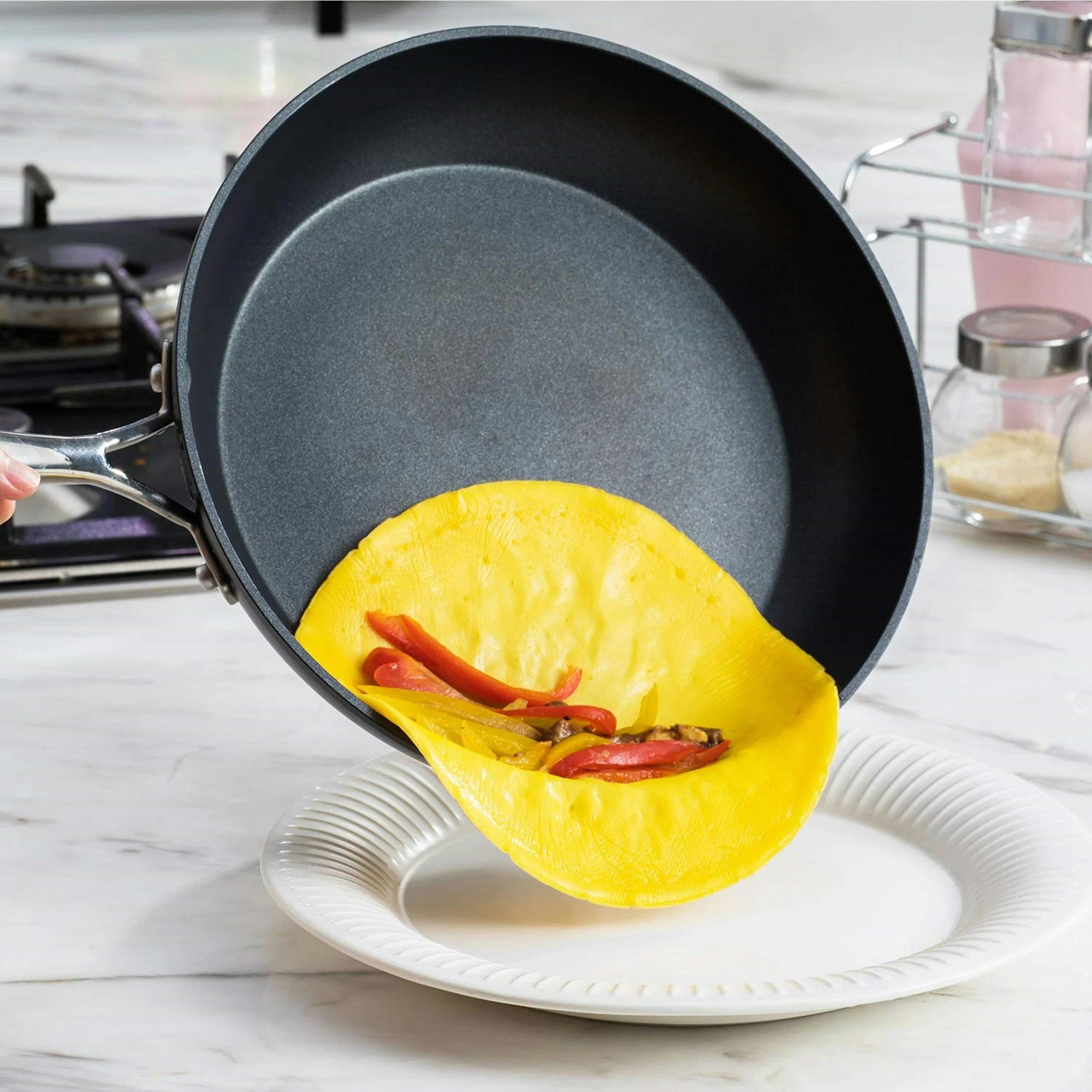
Most people don’t realize that nonstick coatings are actually plastic, typically made of PTFE (polytetrafluoroethylene), also known as Teflon. Part of the PFAS “forever chemicals” family, Teflon is easily scratched and overheated, which can release toxic fumes and microplastics into food.
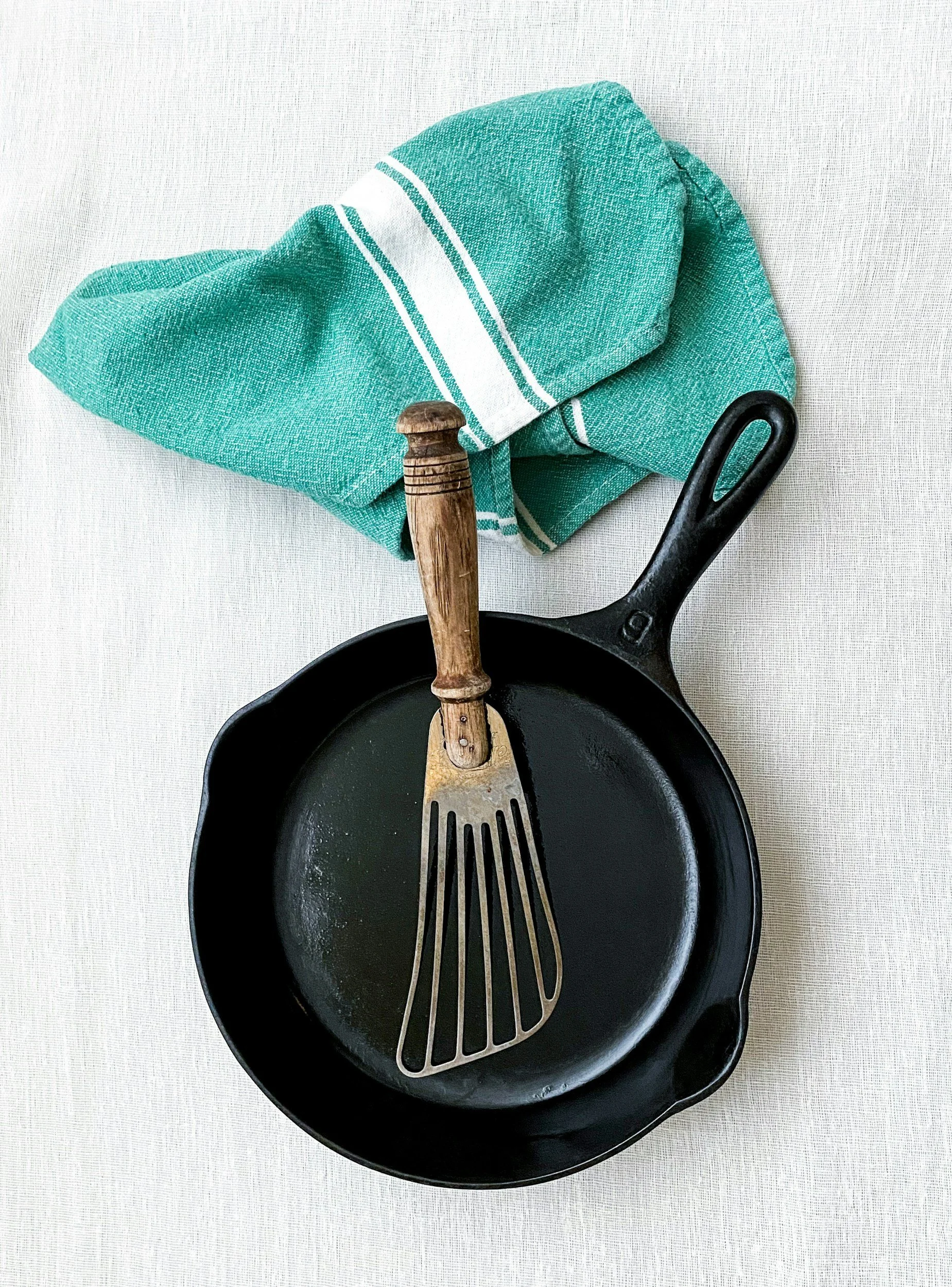
The safest cookware and dinnerware options are simple: stainless steel, cast iron, glass, enameled cast iron, and ceramic. Cast iron is especially beneficial for patients diagnosed with blood-deficiency by their Chinese medicine physician.
Avoid using silicone or plastic utensils on any hot surface.
Instead, use wooden, bamboo, or stainless‑steel cooking utensils. I do allow myself one single silicone spatula, simply because natural rubber ones are virtually nonexistent (if anyone knows of one, please contact me!). I limit its use to scraping cool foods from cool containers, never use it with heat, and always hand wash it. Remember that silicone is also plastic, and even if it says BPA-free, it still leaches other endocrine disruptors that aren’t as well publicized yet.
Regarding food storage—always store food in glass or metal containers, especially if it’s warm.
And finally, cutting boards! Plastic cutting boards chip plastic into your food every time you slice and chop on them. Avoid them at all costs.
Here are some of my favorite kitchen products:

Finish with your fabrics.
As we discussed in part one, plastic fibers are the largest and most ubiquitous source of micro- and nano-plastics. I’m talking clothing, sheets, blankets, pillows, comforters, rugs etc.
Probably the quickest and easiest place to start is bedding and blankets. Target has affordable natural fiber sheets and sometimes blankets if you look for them. I love their Casaluna sheets paired with a coverlet or quilt in the summer and wool comforter in the winter.
Next, do a closet audit.
Start with pieces that are loosely constructed using cheap polyester and acrylic (recycled or virgin, it matters not). Yes, I’m talking about your favorite Patagonia fleece… as well as polyester, acrylic, or blended sweaters and other fuzzy items. If you can see fuzz frizzing on it and it is made of plastic fibers, it’s the first and most important to go!
Next, bag up the soft pieces you wear all the time. These are most often t-shirts, shorts, and loungewear that are either 100% plastic or blends mixed with natural fibers. You can do this in two stages, the first being: if it is over 40% plastic, it’s out. As time goes by and your natural fabric pieces start to make up the majority of your closet, go ahead and retire the rest of <40% plastic blends.
Your last priority should be durable nylon outerwear. While these still can leach endocrine disruptors into your skin when you sweat (just like any other piece of plastic clothing), they are the least likely to shed their fibers into the air you breathe and the water you drink.
After looking at your bedding, blankets, and clothes, I would consider furniture and rugs. I haven’t had much luck finding natural fabrics with furniture, so I opt for leather. I love the durability and aesthetic of leather; it’s also excellent for reducing allergies (especially with pets).
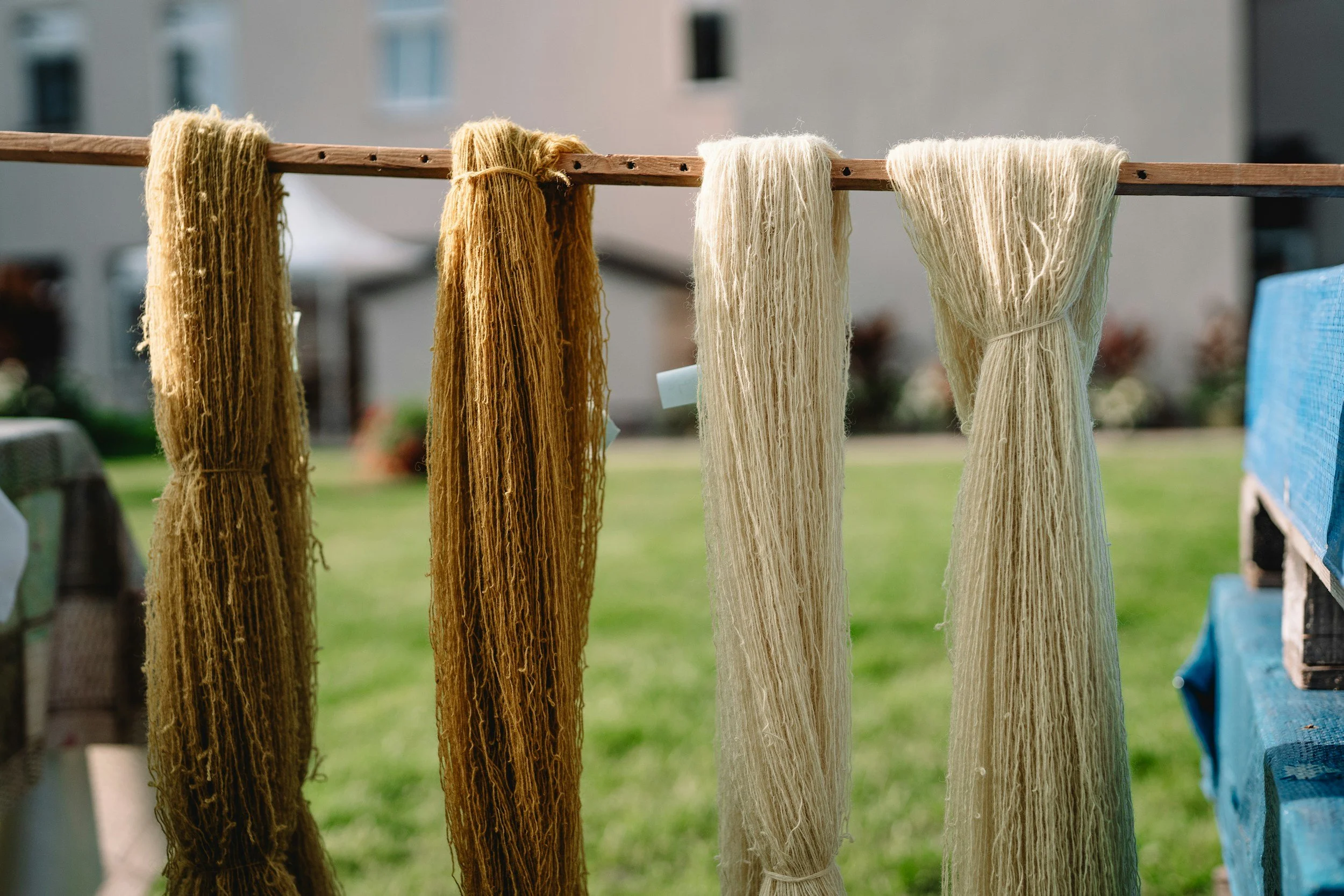
Natural fibers to prioritize:
Cotton
Linen
Wool
Hemp
Silk
Cashmere
Mohair
Alpaca
Jute
Kapok
Rayon (semi-synthetic, but not plastic)
Common plastic fibers to watch for:
Acrylic
Polyester
Nylon
Spandex
Elastane
Even incremental change makes a difference.
Every time you change one thing on this list, you reduce your own, your family’s, and the environment’s exposure to plastics. No matter how small, our actions add up.
If you’re looking for personalized guidance and support in optimizing your lifestyle for lasting health, come visit me at TENET Chinese Medicine + Acupuncture in downtown Rogers, Arkansas. I would love to work with you.